

In This Article
A wax jacket vs waterproof jacket decision usually starts the same way: standing in a shop doorway, rain hammering the awning, wondering why anyone needs seven different types of coat to survive a British autumn. A wax jacket is a cotton garment coated in paraffin wax that repels water and shrugs off brambles, while a waterproof jacket uses a synthetic membrane — think Gore-Tex or similar — bonded into a lightweight shell to keep rain out and let sweat escape. One is heritage; the other is engineering. Neither is universally “better,” and that’s exactly the trap most buying guides fall into.
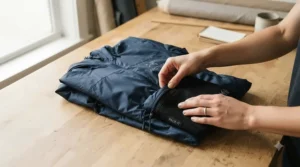
Here’s the thing nobody tells you at the till: this isn’t really a fight between two coats, it’s a fight between two philosophies. Wax cotton was perfected by North Sea fishermen and Scottish sailmakers a century before anyone had heard of a microporous membrane, and it still does something a modern shell can’t — it gets better-looking as it gets older. A waterproof jacket, on the other hand, is built by people obsessed with grams and breathability ratings, chasing the exact opposite goal: disappear on your back and never remind you it’s there.
This guide puts seven real jackets — wax and waterproof, budget through premium — through the same honest lens: what the spec sheet says, what genuine reviewers report, and where each one actually earns its keep. We’ll cover wax jacket breathability, why a lightweight wax jacket exists at all, what an oilskin jacket actually is, and whether a traditional British country jacket still has a place on the school run. By the end you’ll know whether you’re a wax person or a waterproof person — or, more likely, both.
Quick Comparison Table
| Factor | Wax Jacket | Waterproof Jacket | Best For |
|---|---|---|---|
| Water resistance | Very good while freshly waxed; fades between re-proofs | Consistently high (membrane-rated) | Waterproof: wet-day reliability |
| Breathability | Poor to moderate | Moderate to excellent (membrane-dependent) | Waterproof: hillwalking, cycling |
| Weight & pack size | Heavy, doesn’t pack down | Light, packs into a bag | Waterproof: travel, hiking |
| Durability | Decades with re-waxing | 5-10 years before membrane fatigue | Wax: farm and country use |
| Maintenance | Annual re-wax required | Occasional DWR reproofing wash | Waterproof: low-effort owners |
| Typical price | Mid to premium | Budget to premium (wide spread) | Depends on brand/tech |
| Style longevity | Timeless, ages with a patina | Functional, less “heirloom” appeal | Wax: everyday country style |
Looking at that table, the split is pretty stark once you strip away the marketing gloss. A wax jacket wins on toughness, thorn resistance and sheer looks-better-with-age charm, which is why so many gamekeepers and farmers still swear by one. A waterproof jacket wins on breathability and packability, which matters enormously the moment your “walk” turns into anything faster than a dawdle. Neither wins on maintenance — wax needs an annual re-proof, waterproof needs an occasional wash-in reproofer — so don’t let anyone tell you either option is “no maintenance.”
💬 Found a jacket that’s already won you over? Save this comparison and share it with a mate before your next country walk!
Wax Jacket Pros and Cons at a Glance
Before we get into individual products, it’s worth settling the wax jacket pros and cons question on its own terms, separate from the waterproof comparison, because a lot of buyers are only weighing wax against wax.
On the plus side: wax cotton is genuinely abrasion-resistant, so barbed wire, brambles and an over-enthusiastic Labrador won’t tear through it the way they would a thin nylon shell. It’s windproof by default — the dense cotton weave blocks gusts that would cut straight through a lighter synthetic. And it develops what Barbour calls a patina, meaning the more you wear it, the more it looks like it belongs to you specifically, not to a shop rail.
On the downside: wax cotton is heavy, typically 900g-1.4kg depending on lining, and it doesn’t breathe well, so a brisk uphill walk in one can leave you clammier than the rain would have. It also needs re-waxing roughly once a year to stay properly water-resistant, and it can mark light-coloured trousers or car seats if it’s freshly proofed.
What about a lightweight wax jacket? This is where things get interesting. Brands have started using thinner waxed cloth — often 4-6oz rather than the traditional 8-10oz — to build a lightweight wax jacket that keeps the wax cotton character without the bulk. You trade a bit of durability and warmth for something you can actually wear cycling to the shops, and for three-season use in southern England, that trade often makes sense.
Top 7 Wax and Waterproof Jackets: Expert Analysis
We’ve picked seven real, currently available jackets spanning budget, mid-range and premium, split fairly evenly between wax and waterproof so you can compare like for like. Prices below are ranges only — always check current pricing before buying, as retailers adjust these regularly.
1. Barbour Bedale Wax Jacket — the wax jacket blueprint everyone else copies
The Bedale is the jacket that most people picture the second you say “wax jacket,” and there’s a reason for that: it’s been in continuous production since the 1980s with barely a tweak to the pattern. Built from Barbour’s signature Sylkoil waxed cotton at roughly 8oz weight, it uses a corduroy collar and a tartan-check lining that’s as recognisable as the brand’s logo.
On paper, the hydrostatic performance is respectable rather than spectacular — the real waterproofing comes from the wax coating itself, which is why an unwaxed Bedale performs noticeably worse in a downpour than a freshly re-proofed one. Based on the spec comparison with the rest of this list, the Bedale sits firmly in the “buy it once, look after it forever” camp rather than the technical-performance camp.
Reviewers consistently report that the fit runs close and slightly short by modern standards, which suits fieldwork but frustrates taller buyers layering it over a jumper. Owner forums and long-term review threads also flag that the wax does mark light-coloured car seats and trousers until it’s fully worn in — a genuine quirk rather than a flaw, but worth knowing before your first commute.
Pros:
- ✅ Genuinely repairable and re-waxable for decades of use
- ✅ Iconic silhouette that layers well over knitwear
- ✅ Corduroy collar and storm flap block wind effectively
Cons:
- ❌ Heavy at close to 1kg, noticeable on long walks
- ❌ Breathability is poor compared with any membrane jacket
Expect to pay in the £200-£260 range depending on colour and retailer; given the multi-decade lifespan with proper re-waxing, the cost-per-year works out lower than it first appears.
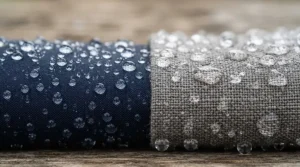
2. Hoggs of Fife Caledonia Wax Jacket — waterproof membrane hidden inside a wax coat
The Hoggs of Fife Caledonia is the jacket built specifically for people who love the look of wax but resent its weaknesses, and it does this by pairing traditional Halley Stevenson P270 Silkwax cotton with an internal waterproof/breathable membrane — a genuine hybrid rather than a marketing label. That combination means you get the classic wax-cotton exterior with meaningfully better wet-weather performance underneath, which is unusual at this price point.
The spec sheet lists two cartridge pockets, two hand-warmer pockets, a zipped security pocket and a map pocket, all of which matter more than they sound on paper if you’re the sort of person who loses gloves constantly. Based on the spec comparison, this is arguably the smartest buy for anyone who wants “a wax jacket” without accepting wax cotton’s usual breathability penalty in full.
Aggregated feedback from country-clothing retailers who stock the brand describes it as “equal if not superior” to pricier heritage names, with buyers specifically praising the finish and pocket layout relative to the price. Made largely in Scotland, it also ticks the traditional British country jacket box without the premium mark-up.
Pros:
- ✅ Waterproof membrane improves on standard wax performance
- ✅ Generous pocket layout for fieldsports and dog walking
- ✅ Strong value against better-known heritage brands
Cons:
- ❌ Less widely stocked than Barbour, so sizing help is scarcer
- ❌ Still heavier than any synthetic waterproof shell
Typically priced in the £130-£170 range, it undercuts the big heritage names while matching or beating them on functional performance — a genuinely strong mid-range pick.
3. Joules Fieldcoat Wax Jacket — a lightweight wax jacket that still feels like wax
If the word “lightweight wax jacket” made you sceptical, the Joules Fieldcoat is the model built to change your mind. It uses a lighter-weight waxed cotton than traditional country coats, shaving noticeable grams off the silhouette while keeping the tactile, slightly stiff hand-feel that says “proper wax” rather than “wax-effect nylon.”
Key specs worth flagging: a shorter, jacket-length cut rather than a full country coat, a check lining for warmth without bulk, and a corduroy collar that nods to heritage styling. What most buyers overlook about this model is that the shorter cut trades some coverage and warmth for everyday practicality — brilliant for the school run or a commute, less ideal for a full day standing in a field.
Reviewers on retailer sites frequently mention the more fashion-forward colour palette compared with traditional olive and navy, along with a closer, more flattering fit than classic country cuts. It’s a jacket built for someone who wants wax-cotton character on a daily-wear schedule, not a working farm.
Pros:
- ✅ Noticeably lighter than traditional 8-10oz wax coats
- ✅ Flattering, contemporary cut and colour range
- ✅ Retains authentic waxed-cotton texture and smell
Cons:
- ❌ Shorter length gives less coverage in driving rain
- ❌ Lighter wax weight means slightly reduced durability
Expect a price in the £110-£150 range, making it a sensible middle ground between full heritage weight and a synthetic shell.
4. Hoggs of Fife Woodsman Waxed Jacket — traditional oilskin styling at a genuinely accessible price
The Hoggs of Fife Woodsman goes back to basics: a straightforward, heavyweight 330gsm waxed cotton oilskin jacket without the branding premium of the bigger names. Its spec list reads like a country-clothing checklist — a detachable hood, corduroy collar, two-way brass zip, studded storm flap, tartan lining and internal poacher’s pocket — and every one of those details earns its place rather than existing for show.
Based on the spec comparison, the 330gsm cloth sits at the sturdier end of waxed cotton weights, meaning better abrasion resistance in hedgerows and undergrowth at the cost of extra bulk. Genuine buyer reviews collected by country-clothing retailers describe the jacket as “waterproof and warm, great for dog walking,” alongside praise for fast delivery and competitive pricing versus premium alternatives
— though at least one long-term owner noted the wax marks more readily than expected after eighteen months of hard use, a fair trade-off at this price. This is the closest thing on our list to a genuine, no-frills oilskin jacket built for actual outdoor work rather than high-street styling.
Pros:
- ✅ Heavyweight 330gsm cloth built for genuine outdoor use
- ✅ Detachable hood and poacher’s pocket add real utility
- ✅ Noticeably cheaper than equivalent heritage-brand jackets
Cons:
- ❌ Bulkier fit than more tailored wax jackets
- ❌ Wax can mark visibly with heavy daily wear
Priced around £80-£110, it’s the wax jacket to buy if you want genuine oilskin-style protection without paying for a logo.
5. Regatta Highton Stretch Waterproof Jacket — the budget waterproof for everyday dog walks
Swinging over to the waterproof side of this comparison, the Regatta Highton Stretch is built for people who need reliable rain protection without hiking-shop pricing. Its Isotex fabric and stretch panels deliver a hydrostatic head rating suitable for steady rain rather than sustained mountain downpours, paired with taped seams and an adjustable, packable hood. Based on the spec comparison with pricier shells, the Highton Stretch sensibly trades top-tier breathability for genuine everyday comfort and a fraction of the price, which is precisely why Regatta dominates the budget end of this market. Which? survey respondents rating Regatta jackets specifically praised their robustness and weather resistance for the price, with one describing the brand as delivering performance “well above their price range,” while also noting reduced breathability on longer, sweatier outings. That trade-off makes it genuinely well-suited to shorter dog walks and school-run duty rather than all-day fell walking.
Pros:
- ✅ Genuinely low price for taped-seam waterproofing
- ✅ Packs down small enough for a bag or car door
- ✅ Stretch panels improve comfort over rigid budget shells
Cons:
- ❌ Breathability lags behind mid-range and premium shells
- ❌ Less durable long-term than heavier technical fabrics
Typically found in the £45-£70 range, it’s hard to beat as a grab-it-and-go waterproof for shorter, wetter walks.

6. Berghaus Deluge Pro 2.0 Waterproof Jacket — the dependable mid-range technical shell
The Berghaus Deluge Pro 2.0 sits in the sweet spot between budget basics and serious mountain kit, built around Berghaus’s own waterproof-breathable fabric rather than licensed Gore-Tex, which is exactly how it keeps the price down. Independent gear-review testing has measured comparable Berghaus fabrics with a hydrostatic head around 15,000mm and solid moisture-vapour transfer, figures that translate into genuine confidence during a proper downpour without the jacket turning into a sauna.
What most buyers overlook about this model is that it’s cut with enough room to layer a fleece underneath, making it a genuine three-season jacket rather than a fair-weather shell. Reviewers on outdoor-gear sites consistently describe Berghaus shells in this range as tough, dependable and slightly heavier than ultralight alternatives
— a fair description that matches the brand’s long-standing reputation for durability over cutting-edge weight savings. It’s the waterproof jacket for someone who wants “just works” reliability without paying Gore-Tex prices.
Pros:
- ✅ Solid hydrostatic head for genuine wet-weather use
- ✅ Roomy cut allows for warm mid-layers underneath
- ✅ Trusted brand reputation for long-term durability
Cons:
- ❌ Heavier and less packable than premium ultralight shells
- ❌ Styling is more functional than fashion-forward
Expect a price around £90-£130, positioning it as strong value for regular hill walkers who don’t need mountaineering-grade specs.
7. Rab Kangri GTX Waterproof Jacket — premium Gore-Tex protection for genuinely bad weather
At the top of our list, the Rab Kangri GTX uses a 3-layer Gore-Tex construction built for people who go out specifically because the forecast looks awful, not despite it. Gore-Tex fabric of this type is independently rated with a hydrostatic head around 28,000mm alongside strong moisture-vapour transfer, meaning it holds up to sustained, driving rain while still letting sweat escape on a hard uphill push — a genuine step up from the mid-range Hydroshell-style fabrics.
Based on the spec comparison, the extra cost buys durability under abrasion (rucksack straps, scrambling, repeated use) and breathability that budget and mid-range shells simply can’t match, rather than any single flashy feature. Gear-testing publications reviewing comparable Gore-Tex Pro and 3-layer shells this year consistently highlight strong all-day comfort and weatherproofing
, while flagging that pocket placement can sit awkwardly under a rucksack hip belt — a minor but real ergonomic quibble worth trying on before you buy. This is the waterproof jacket for hillwalkers and anyone who treats “waterproof” as a promise, not a suggestion.
Pros:
- ✅ Genuine 3-layer Gore-Tex for serious weather resistance
- ✅ Excellent breathability during high-output activity
- ✅ Durable construction built to last many seasons
Cons:
- ❌ Premium pricing puts it out of reach for casual use
- ❌ Hand pockets can interfere with rucksack hip belts
Prices typically sit in the £280-£350 range, which is a genuine investment — but one that pays back over years of serious use rather than one wet weekend.
Top 7 Products at a Glance
| Product | Type | Price Range | Best For |
|---|---|---|---|
| Barbour Bedale Wax Jacket | Wax | £200-£260 | Heritage style, long-term ownership |
| Hoggs of Fife Caledonia Wax Jacket | Wax + membrane | £130-£170 | Best-value wax hybrid |
| Joules Fieldcoat Wax Jacket | Lightweight wax | £110-£150 | Everyday wear, school run |
| Hoggs of Fife Woodsman Waxed Jacket | Wax/oilskin | £80-£110 | Budget oilskin, dog walking |
| Regatta Highton Stretch Waterproof Jacket | Waterproof | £45-£70 | Short walks, budget buyers |
| Berghaus Deluge Pro 2.0 Waterproof Jacket | Waterproof | £90-£130 | Regular hill walking |
| Rab Kangri GTX Waterproof Jacket | Waterproof (Gore-Tex) | £280-£350 | Serious hillwalkers, all-weather use |
Scanning that table side by side, the price spread tells its own story: waterproof jackets stretch further at the budget end (the Regatta Highton Stretch undercuts every wax option here), while genuinely premium performance — whether that’s the Barbour Bedale‘s heritage build or the Rab Kangri GTX‘s Gore-Tex membrane — clusters at similar price points regardless of category. If your budget caps out around £100, a waterproof shell like the Regatta Highton Stretch simply outperforms anything wax at that price.

Wax Jacket vs Waterproof Jacket: Breathability Compared
| Fabric type | Approx. hydrostatic head | Breathability | Real-world feel |
|---|---|---|---|
| Traditional waxed cotton | Good while freshly waxed | Poor | Clammy on exertion, cool wind block |
| Wax + membrane hybrid (e.g. Hoggs of Fife Caledonia) | Good to very good | Moderate | Noticeably drier on the inside than pure wax |
| Mid-range waterproof-breathable (e.g. Berghaus Deluge Pro 2.0) | ~15,000mm | Good | Comfortable on brisk walks, warm underneath |
| 3-layer Gore-Tex (e.g. Rab Kangri GTX) | ~28,000mm | Excellent | Stays dry inside even during hard uphill effort |
This is the honest core of wax jacket breathability: traditional waxed cotton simply wasn’t designed to let vapour escape, because it was invented for standing on a boat deck, not climbing a hill. According to Wikipedia’s overview of waxed cotton, the fabric’s two enduring drawbacks are exactly this — limited breathability and extra bulk compared with modern synthetics — which matches what every hybrid and membrane innovation on this list is trying to solve. If you sweat heavily or plan anything more strenuous than a dog walk, a membrane jacket (or a wax-membrane hybrid like the Caledonia) will keep you noticeably more comfortable than pure wax cotton ever can.
How to Keep Your Jacket Performing: Practical Usage Guide
Buying the right jacket is only half the job — looking after it properly is what makes the wax jacket vs waterproof jacket decision pay off over years rather than one season.
For wax jackets: re-wax annually, or sooner if water stops beading and starts soaking in. Warm the jacket gently (a radiator or warm room works), apply proprietary wax in thin, even coats with a cloth, focusing on seams and high-wear areas like cuffs and shoulders, then let it cure somewhere warm for 24-48 hours before wearing. Never machine wash a wax jacket — it strips the coating and ruins the lining. Store it on a wide hanger, not folded, to avoid permanent creasing in the wax.
For waterproof jackets: the most common first-30-days mistake is assuming “waterproof” means “never needs washing.” Dirt and body oils clog the Durable Water Repellent (DWR) coating, causing rain to soak into the outer fabric even though the membrane underneath still works — this shows up as the jacket “wetting out” and feeling heavy. Wash it in a technical cleaner (not standard detergent, which damages membranes), then reproof with a wash-in or spray-on DWR treatment every few months of regular use, and tumble dry on low heat if the label allows, since gentle heat reactivates the DWR coating.
Which Jacket Suits Your Life? Three Real-World Scenarios
If you’re a commuter cycling three miles to the station through drizzle, a lightweight waterproof shell like the Regatta Highton Stretch makes more sense than wax — it packs into a pannier, dries fast, and won’t leave wax marks on your work trousers.
If you’re a weekend hillwalker covering 8-12 miles across exposed terrain, the breathability and durability of the Rab Kangri GTX or Berghaus Deluge Pro 2.0 earns its price, because sweating heavily inside a non-breathable jacket on a long ascent is genuinely miserable and, in cold conditions, can contribute to a dangerous chill once you stop moving.
If you’re mostly doing dog walks, gardening, and standing around at a country show, a wax jacket like the Hoggs of Fife Woodsman or Barbour Bedale suits the slower pace and rougher terrain — you’re not working hard enough to overheat, and the abrasion resistance pays off against hedges, gates and an excitable spaniel.
Problem → Solution: Fixing Common Wax and Waterproof Jacket Complaints
Problem: My wax jacket has stopped repelling water. Solution: it needs re-waxing, not replacing — a £10-£15 tin of proprietary wax and an afternoon will usually restore performance close to new.
Problem: My “waterproof” jacket soaks through on the shoulders. Solution: this is almost always a failed DWR coating, not a broken membrane — wash and reproof before assuming the jacket is faulty.
Problem: My wax jacket feels unbearably hot and clammy. Solution: consider a lightweight wax jacket or a wax-membrane hybrid for anything more active than a slow walk, or switch to a breathable waterproof shell entirely for high-output use.
Problem: My waterproof jacket smells musty after storage. Solution: always store it fully dry and loosely hung, never damp and folded in a bag, since trapped moisture breeds odour-causing bacteria inside the membrane layers.
Problem: I can’t decide between a wax jacket and a waterproof jacket. Solution: match the fabric to your actual activity level, not your aesthetic preference — see the decision framework below.
How to Choose Between a Wax Jacket and a Waterproof Jacket
Choosing between these two categories comes down to seven honest questions, answered in order:
- How active will you be wearing it? Slow-paced (dog walks, gardening) favours wax; high-output (hiking, cycling) favours a breathable waterproof shell.
- What’s the terrain like? Brambles, gates and rough ground favour wax’s abrasion resistance; exposed hills favour a technical shell’s weather protection.
- Do you need to pack it small? Waterproof shells win decisively here — wax simply doesn’t compress.
- What’s your maintenance appetite? Both need upkeep, but re-waxing is a once-a-year chore while reproofing waterproof shells is more frequent but faster.
- What’s your budget? Genuinely capable waterproof jackets exist under £70; comparable-quality wax starts closer to £100.
- Do you want it to age well, or perform consistently? Wax develops character over years; waterproof performance is most consistent when new and gradually declines.
- Is this for one specific purpose, or general daily wear? Dedicated activities (hillwalking, commuting) suit a purpose-built waterproof shell; general country and everyday use suits a wax jacket’s versatility.

Wax Jacket for Dog Walking: What Actually Matters
A wax jacket for dog walking earns its reputation for good reason: it’s the one context where wax cotton’s weaknesses barely matter and its strengths shine. You’re rarely moving fast enough to overheat, so breathability becomes a minor concern rather than a dealbreaker, while the fabric’s resistance to scratches, mud and an enthusiastic dog’s claws becomes genuinely valuable. Deep pockets matter more here than almost any other feature — somewhere to stash poo bags, treats and a lead without them falling out mid-walk, which is exactly why models like the Hoggs of Fife Caledonia and Hoggs of Fife Woodsman load up on cartridge and hand-warmer pockets. A longer cut also helps keep muddy paw prints off your trousers when a dog jumps up, something the shorter Joules Fieldcoat trades away for style. If you’re walking in genuinely wet, low-visibility conditions after dark, though, a waterproof shell with reflective detailing is the safer everyday choice — wax cotton, however practical, rarely comes with high-vis trim.
Oilskin Jackets and Traditional British Country Style
What Is an Oilskin Jacket, Really?
The term oilskin jacket predates “wax jacket” by decades and technically describes something slightly different: cloth treated with linseed oil rather than paraffin wax. According to Wikipedia’s entry on oilskin, the modern oilskin garment traces back to a New Zealand innovation in 1898, using worn sailcloth painted with a linseed oil and wax mixture to keep sailors dry on deck. Waxed cotton, the fabric used in every jacket on our list, is a direct descendant of that original oilskin technique, refined through the 20th century into the smoother, more flexible cloth we recognise today. In everyday retail use, “oilskin jacket” and “wax jacket” are now used almost interchangeably, though purists will point out that true oilskin uses an oil-based finish rather than a dry wax.
Traditional British Country Jacket: Does Heritage Still Matter?
A traditional British country jacket carries genuine cultural weight in the UK — the BBC’s own feature on how the Barbour became a British symbol traces the jacket’s journey from working farmwear to a fixture on high streets and, famously, royal shooting parties. That heritage isn’t just marketing fluff: brands like Barbour and Hoggs of Fife genuinely built their reputations on decades of continuous use by farmers, gamekeepers and fieldsports enthusiasts who had zero patience for a jacket that didn’t perform. What most buyers overlook is that this heritage translates into a practical benefit today — spare parts, repair services and re-waxing kits remain widely available precisely because these garments were built to be maintained for a lifetime, not replaced every few years.
Common Mistakes When Buying a Wax or Waterproof Jacket
The single most common mistake is buying a wax jacket for an activity that demands breathability — then blaming the jacket when you overheat on a brisk walk, rather than recognising it was the wrong fabric choice from the start. A close second is assuming any jacket labelled “waterproof” performs identically; hydrostatic head ratings vary enormously, and a £40 shell rated for light rain will genuinely fail in a sustained downpour that a £300 Gore-Tex jacket handles easily. Buyers also frequently skip checking the actual fit over layers — a wax jacket sized for a t-shirt underneath will feel unwearably tight over a jumper come winter. Finally, plenty of people buy based on brand recognition alone and skip re-proofing or reproofing maintenance entirely, then wonder why a genuinely good jacket “stopped working” after eighteen months — in almost every case, that’s a maintenance failure, not a product failure.
Long-Term Cost & Maintenance: Wax Jacket vs Waterproof Jacket
Run the numbers over a decade and the wax jacket vs waterproof jacket cost picture shifts considerably from the sticker price alone. A £220 wax jacket re-waxed annually at roughly £15 in materials works out to around £370 total over ten years of use — and a well-maintained wax jacket routinely lasts well beyond that decade, sometimes passed between generations. A £110 waterproof jacket reproofed twice a year at around £10 a treatment costs roughly £310 over the same period, but most waterproof-breathable fabrics show reduced performance after 5-8 years of regular use, meaning a replacement purchase is more likely within that window. In other words: wax jackets tend to reward long-term ownership with a lower effective annual cost, while waterproof jackets reward buyers who want lower breathability and weight, and who accept a shorter realistic lifespan as the trade-off. Neither is “cheaper” in absolute terms — it depends entirely on how long you genuinely intend to keep wearing it.
Frequently Asked Questions
❓ Is a wax jacket actually waterproof, or just water-resistant?
❓ Can I wear a wax jacket in the rain every day?
❓ What's the difference between a wax jacket and an oilskin jacket?
❓ Are lightweight wax jackets as durable as traditional heavyweight ones?
❓ Do waterproof jackets need re-proofing like wax jackets do?
Conclusion
There’s no single winner in the wax jacket vs waterproof jacket debate, and honestly, anyone who tells you otherwise is trying to sell you something a bit too hard. Wax cotton earns its keep through durability, abrasion resistance and a slow-burn kind of style that only improves with age — perfect for dog walks, country shows and anyone who’d rather maintain one excellent jacket for decades than buy a new one every few winters. Waterproof shells earn their keep through breathability, packability and consistent performance in genuinely foul weather — the obvious choice for hillwalkers, cyclists and commuters who need reliable protection without the bulk.
Across our seven picks, the Hoggs of Fife Caledonia stands out as the smartest middle ground for anyone torn between the two camps, blending wax character with membrane performance at a fair price. Budget-conscious buyers should look at the Regatta Highton Stretch for waterproof reliability or the Hoggs of Fife Woodsman for genuine oilskin styling. And if you know exactly which camp you’re in, the Barbour Bedale and Rab Kangri GTX each represent the very best of their respective category.
Whatever you choose, remember that maintenance — not brand — is what actually determines whether your jacket performs in five years’ time.
✨ Ready to gear up properly for the British weather?
Check current prices on the picks above and find the jacket that actually suits how you live! ☂️🧥
Recommended for You
- Best Wax Jacket: 7 Ultimate Picks for UK Winters (2026)
- Waterproof Padded Coat: 7 Best Warm Buys for UK Winter (2026)
- Womens Insulated Waterproof Parka: 7 Warm Picks (2026)
Disclaimer: This article contains affiliate links. As an Amazon Associate, I earn from qualifying purchases. If you purchase products through these links, we may earn a small commission at no additional cost to you.
✨ Found this helpful? Share it with your friends! 💬🤗
