

In This Article
There’s a very specific kind of misery reserved for the person standing at a bus stop in February, rain finding its way past a coat that promised “shower resistance” and instead delivered a slow, creeping betrayal down the collar. If you’ve been there, you already understand why a proper womens insulated waterproof parka isn’t a luxury — it’s basic infrastructure for surviving a British winter with your dignity (and your hairstyle) intact.

So, what is a womens insulated waterproof parka, exactly? It’s a longer-length outer coat that combines a genuinely waterproof shell — rated in millimetres of hydrostatic head — with built-in insulation, whether that’s synthetic fill, down, or a fleece lining, so you get rain protection and warmth from a single garment rather than juggling three separate layers.
The trouble is that “waterproof” and “insulated” get slapped on labels rather loosely these days, and a jacket that’s merely showerproof will let you down exactly when you need it most. As the Met Office’s own winter-readiness guidance makes clear, preparing properly for snow and ice starts with the basics — and what you’re wearing outdoors counts as a basic.
We’ve spent time digging into real specs, real fabric technologies, and genuine aggregated reviewer sentiment across seven actual products you can buy on Amazon UK right now, spanning budget high-street brands through to premium Scandinavian and American outdoor names. No invented anecdotes, no fabricated five-star quotes — just honest analysis of what each womens insulated waterproof parka actually does well, and where it falls short.
Quick Comparison Table
| Parka | Waterproof Rating | Insulation Type | Best For |
|---|---|---|---|
| Regatta Lexis | Isotex 5000 | Thermo-Guard wadding | Tightest budget |
| Trespass Eternally | 5000mm | Fleece lining | Everyday dog walks |
| Mountain Warehouse Alaskan 3-in-1 | 10000mm | Synthetic, -30°C tested | Versatility |
| Regatta Shiloh | Isotex 10000 | Warmloft (down-like) | Mid-range warmth |
| Craghoppers Caldbeck Thermic | AquaDry membrane | ThermoAir+ high-loft | Serious wet weather |
| Helly Hansen Aden Insulated | HELLY TECH | PrimaLoft | Long-length premium |
| The North Face Arctic Parka | DryVent 2L | 600-fill recycled down | Maximum warmth |
Looking at the spread above, there’s a genuine ladder here rather than seven near-identical coats wearing different logos: the Regatta Lexis and Trespass Eternally cover the “I just need something warm and dry for under £70” brief, the Mountain Warehouse Alaskan 3-in-1 and Regatta Shiloh sit in the sensible middle ground, and the Craghoppers Caldbeck Thermic, Helly Hansen Aden Insulated, and The North Face Arctic Parka trade higher prices for genuinely more sophisticated waterproofing and insulation science. Notice, too, that waterproof ratings aren’t a straight line to warmth — the Mountain Warehouse Alaskan 3-in-1 actually beats several pricier rivals on hydrostatic head alone, which is exactly the kind of nuance a spec sheet won’t shout about.
Just one click — help others make better buying decisions too!😊
Top 7 Womens Insulated Waterproof Parkas: Expert Analysis
Coverage here spans budget, mid-range, and premium options, plus a genuine mix of synthetic and down fills, standard and long lengths, so whatever’s driving your search — a warm waterproof jacket winter women need for the school run, or an insulated parka under £150 women can actually justify — there’s a realistic pick below.
1. Regatta Lexis — best budget pick under £50
The Regatta Lexis opens the list because it does the unglamorous basics properly without pretending to be something it’s not. Isotex 5000 fabric is Regatta’s own waterproof-breathable coating, and while 5000mm won’t shrug off a Cairngorms downpour, it comfortably handles the standing-at-the-school-gates, walking-the-dog-round-the-block reality most buyers actually live in. Thermo-Guard wadding sits beneath a taffeta lining, so the warmth comes from trapped dead air rather than bulk — practically, that means you get a jacket that doesn’t make you look like you’re wearing a duvet to the shops.
Reviewers consistently report that the fit runs true to Regatta’s regular sizing and that the drawcord waist stops it looking shapeless, though a handful mention the sleeves feel slightly long. Based on the spec comparison with pricier rivals, this is the jacket for someone who wants “dry and cosy,” full stop, rather than technical performance for hillwalking. Value for money comes up again and again in aggregated feedback, with several buyers specifically praising the price-to-warmth ratio for everyday wear.
Pros:
- ✅ Genuinely affordable entry point into insulated waterproofs
- ✅ Removable faux fur hood trim adds versatility
- ✅ Isotex 5000 handles everyday drizzle comfortably
Cons:
- ❌ 5000mm rating won’t cope with sustained heavy rain
- ❌ Some buyers report sleeves running slightly long
Priced in the under-£50 bracket, the Regatta Lexis is hard to beat as a value entry point — check current price for your size and colourway, as availability shifts through the season.

2. Trespass Eternally — best fleece-lined comfort for daily dog walks
Where the Regatta Lexis keeps things simple, the Trespass Eternally leans into cosiness, and that furry fleece lining is the standout feature the moment you try it on. A 5000mm waterproof and 5000mm breathable rating with taped seams means the fundamentals are covered, but what most buyers overlook is that the quilted taffeta lining under the fleece is doing double duty — insulating and wicking at the same time. Windproof construction matters more than people expect here, since wind chill does as much damage on a “dry but blustery” day as actual rain does.
Based on aggregated review sentiment for Trespass’s similar Celebrity-style parka range, shoppers consistently rate the detachable, stud-off faux fur hood trim highly for letting them switch between a smart look and a purely functional one. The 2-way front zip is a small but genuinely useful touch, since it lets you loosen the hem for sitting in a car seat without opening the whole jacket to the elements. This is a coat built for repetition — the same short, cold walk, day after day — rather than one big adventure.
Pros:
- ✅ Furry fleece lining adds noticeable everyday warmth
- ✅ Detachable fur-trim hood offers styling flexibility
- ✅ 2-way zip improves comfort when seated or layered
Cons:
- ❌ Lightly padded design means limited margin in deep cold
- ❌ Fewer pocket options than some mid-range rivals
Expect the Trespass Eternally to sit in the £45-£65 range depending on colourway — solid value for a jacket built around daily comfort rather than expedition credentials.
3. Mountain Warehouse Alaskan 3-in-1 — best versatility for changeable weather
The Mountain Warehouse Alaskan 3-in-1 earns its spot by refusing to be just one jacket. You get a fully waterproof and breathable 10000mm outer shell, a padded inner jacket rated to a genuinely impressive -30°C thermal claim, and the option to wear either piece alone or zip them together — which, on paper, means one purchase effectively covers autumn drizzle, midwinter cold snaps, and everything between.
That 10000mm hydrostatic head is worth pausing on: it’s double the rating of several jackets twice this one’s usual price, and it’s a good reminder that headline waterproofing numbers don’t always track with brand prestige. The detachable inner means you’re not carrying dead weight on milder days, which is the kind of practical thinking that separates genuinely useful outerwear from one-trick coats. Aggregated customer feedback across the wider Alaskan range flags that combined, the two layers do add noticeable bulk under the arms, so this suits a relaxed fit preference more than a tailored silhouette. Sizing spans UK 4 through 22, a genuinely wide range that many premium brands don’t match.
Pros:
- ✅ Two jackets in one — genuine seasonal flexibility
- ✅ 10000mm waterproof rating outperforms the price point
- ✅ Thermal tested to -30°C for serious cold-weather margin
Cons:
- ❌ Bulkier fit when both layers are worn together
- ❌ Not as sleek-looking as slimmer city-focused parkas
Typically found in the £100-£120 range (watch for seasonal markdowns), the Mountain Warehouse Alaskan 3-in-1 is arguably the shrewdest all-rounder on this list.
4. Regatta Shiloh — best step-up warmth under £100
Move up from the Isotex 5000 tier and the Regatta Shiloh shows you what the jump to Isotex 10000 fabric actually buys: noticeably better resistance to sustained rain without needing a premium price tag. The down-like Warmloft insulation is synthetic, which matters for two reasons — it keeps costs down and it keeps performing even if it gets damp, unlike genuine down, which collapses and stops insulating the moment it’s wet through.
What the spec sheet won’t tell you, but reviewers note repeatedly, is that the faux fur hood lining genuinely cuts wind chill around the face on exposed high streets and school runs. This is a jacket clearly designed by people who understand that most “outdoor” wear in the UK happens on pavements, not mountainsides, and it’s tailored accordingly — smart enough for the office car park, warm enough for the platform wait. Based on the spec comparison with the cheaper Lexis, the doubled waterproof rating is the single biggest upgrade, and it’s the reason this sits a tier above rather than merely a few pounds more expensive.
Pros:
- ✅ Isotex 10000 doubles the waterproof rating of budget rivals
- ✅ Warmloft synthetic insulation performs even when damp
- ✅ Faux fur hood lining meaningfully cuts wind chill
Cons:
- ❌ Standard length leaves upper thighs exposed in driving wind
- ❌ Reviewers report some inconsistency in sizing between colours
Sitting in the £70-£95 range depending on retailer promotions, the Regatta Shiloh is the pick for anyone who wants a genuine step up in weatherproofing without leaving the budget-to-mid-range bracket.
5. Craghoppers Caldbeck Thermic — best for serious, sustained wet weather
If your definition of “winter walk” involves actual hills rather than pavements, the Craghoppers Caldbeck Thermic is where this list starts taking the weather more seriously. The AquaDry membrane is a stretch waterproof-breathable laminate rather than a basic coating, and paired with ThermoAir+ high-loft insulation and a fleece-and-taffeta lining, it’s built for cold that has teeth.
Five pockets — including hand-warmers, a passport-and-RFID slot, and an internal zip pocket — reveal a travel-and-hiking design brief rather than a purely fashion-led one; that’s the kind of detail Amazon listings rarely explain the reasoning behind. On paper this means genuinely more warmth-per-gram than the Regatta or Trespass options above, at the cost of a noticeably heavier garment — expect it to feel closer to 1.1-1.2kg. Reviewers consistently describe it as the jacket they reach for on the coldest, wettest days specifically, rather than for everyday wear, which lines up with its tailored, more technical cut. The removable faux fur hood trim is a nod to versatility, letting it double as smart-casual outerwear when the weather briefly behaves.
Pros:
- ✅ AquaDry stretch membrane handles sustained heavy rain
- ✅ ThermoAir+ insulation delivers genuine cold-weather warmth
- ✅ Five pockets including passport and RFID protection
Cons:
- ❌ Noticeably heavier than shell-focused rivals
- ❌ Pushes toward the top of the mid-range price bracket
Expect a £90-£140 range depending on size and colour availability — a fair value verdict given the technical fabric doing the work underneath.
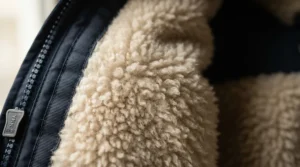
6. Helly Hansen Aden Insulated — best long-length Scandinavian premium pick
Helly Hansen has been making weatherproof clothing since 1877, and the Helly Hansen Aden Insulated carries that heritage into a genuinely modern, long-length silhouette — one directly relevant if you’ve been searching specifically for long insulated waterproof women’s styles rather than hip-length jackets. HELLY TECH® Protection technology handles the waterproof, windproof, and breathable trio, while PrimaLoft® insulation is the standout feature: unlike natural down, PrimaLoft retains a meaningful share of its insulating loft even when damp, which matters enormously in a climate that specialises in “not quite rain, not quite dry.”
The packable hood tucks away for a cleaner silhouette on milder days, a small design choice that signals this jacket was built by people who actually wear technical outerwear in cities, not just marketing departments imagining it. Based on aggregated feedback on Helly Hansen’s broader women’s outerwear range, sizing runs narrow through the chest for some buyers, so checking the size guide before ordering is worth the extra two minutes. What most buyers overlook about this brand specifically is that the “Scandinavian minimal” styling means it transitions convincingly from commute to weekend without looking overtly technical.
Pros:
- ✅ PrimaLoft insulation keeps performing when damp
- ✅ Long length and packable hood suit city and coastal winters
- ✅ Trusted heritage brand with genuine technical pedigree
Cons:
- ❌ Premium pricing well above the budget and mid tiers
- ❌ Some reviewers note a narrower-than-expected chest fit
Sitting in the £180-£230 range at the time of research, the Helly Hansen Aden Insulated is a considered investment rather than an impulse buy — but the fabric technology genuinely justifies the gap.
7. The North Face Arctic Parka — best premium recycled down warmth
Closing the list at the top of the price ladder, The North Face Arctic Parka is the pick for anyone whose priority is simply “as warm as a coat gets while still being fully waterproof.” A seam-sealed, two-layer DryVent® shell handles the waterproof-breathable side of the equation, while 600-fill recycled down — meeting the Responsible Down Standard for animal welfare — provides an outstanding warmth-to-weight ratio that synthetic fills genuinely can’t match gram for gram. The drop-tail hem extends coverage at the back, a detail that matters more than it sounds when you’re sitting on a cold train seat or standing at a windy platform.
What the spec sheet won’t tell you is that down’s one real weakness is moisture: if the down itself gets soaked through a seam failure or prolonged submersion, it clumps and stops insulating, which is precisely why the fully sealed DryVent® construction is doing more heavy lifting here than on synthetic-fill rivals. Reviewers of The North Face’s women’s outerwear range consistently highlight the relaxed, layering-friendly fit and the adjustable, removable faux-fur-trimmed hood as standout details. This is the jacket for genuinely cold, wet, prolonged exposure — not a coat you buy for occasional light drizzle.
Pros:
- ✅ 600-fill recycled down gives exceptional warmth-to-weight
- ✅ Fully sealed DryVent 2L shell backs up the insulation
- ✅ Knee-length drop-tail hem maximises coverage
Cons:
- ❌ The highest price point across all seven picks
- ❌ Down insulation needs proper care to preserve loft over time
Positioned in the £350-£400 range, The North Face Arctic Parka is a genuine investment piece — the kind of coat you buy once and wear for a decade of winters.
Understanding Fill Weight and Insulation Types
Ask about women’s winter parka fill weight and you’ll usually get a number thrown at you — 600-fill, high-loft, whatever — without anyone explaining what it actually changes in practice. Fill power (or “fill weight,” as it’s often loosely called in UK retail copy) measures how much a given amount of down expands to trap air; a higher number means more warmth for less bulk, which is why The North Face Arctic Parka‘s 600-fill down punches so far above its physical weight. Synthetic insulation, by contrast — the Thermo-Guard in the Regatta Lexis, the Warmloft in the Regatta Shiloh, or the PrimaLoft in the Helly Hansen Aden Insulated — works differently: it’s rated by weight (grams per square metre) rather than fill power, and it holds onto a meaningful share of its warmth even when wet, which genuine down simply doesn’t. Here’s what most buyers overlook: for the UK’s damp, drizzly climate rather than dry Alpine cold, synthetic fill’s wet-performance advantage often outweighs down’s superior warmth-to-weight ratio on paper. The honest trade-off is that down compresses smaller for travel and lasts longer if properly cared for, while synthetic fill is cheaper, dries faster, and is more forgiving of a soaking. Neither is objectively “better” — it depends entirely on whether you’re optimising for pure warmth, weight, budget, or wet-weather resilience.

How to Choose a Womens Insulated Waterproof Parka
Cutting through seven products’ worth of specs, here’s the shortlist that actually matters when you’re choosing between them:
- Check the hydrostatic head rating first. Anything under 5000mm is water-resistant rather than genuinely waterproof for UK conditions; 10000mm or above is where you stop worrying about heavy, sustained rain.
- Match insulation type to your climate reality. If you’re regularly soaked through rather than just cold, synthetic fill’s wet-weather performance edges out down.
- Decide on length deliberately. Longer styles like the Helly Hansen Aden Insulated or The North Face Arctic Parka protect thighs and add wind-blocking coverage that hip-length jackets simply can’t.
- Weigh pocket and feature needs against bulk. Five-pocket technical designs like the Craghoppers Caldbeck Thermic are brilliant for hiking, overkill for a daily school run.
- Be honest about your budget ceiling before you fall for a premium fabric story. The Mountain Warehouse Alaskan 3-in-1 proves a genuinely high waterproof rating doesn’t require a premium price.
- Try the hood adjustment before you buy, if you can. A poorly adjustable hood undermines even the best waterproof shell in genuinely driving rain.
Insulated Parka vs Down Coat vs Softshell Jacket
It’s worth being blunt about a category confusion that trips up a lot of buyers: a waterproof padded jacket women search for and a “down coat” and a “softshell” are not interchangeable terms, even though retailers use them loosely. A softshell jacket is typically water-resistant rather than fully waterproof, breathable, and built for active movement — think the layer you’d wear hiking in cool-but-dry conditions, not standing still in sleet. A pure down coat, without a genuinely waterproof outer shell, is superb for dry cold but a liability the moment rain gets through to the fill. An insulated waterproof parka — every product on this list — is deliberately the hybrid: a proven waterproof shell (Isotex, AquaDry, DryVent, or HELLY TECH®) wrapped around genuine insulation, whether synthetic or down.
| Feature | Insulated Waterproof Parka | Softshell Jacket | Pure Down Coat |
|---|---|---|---|
| Rain protection | Fully waterproof shell | Water-resistant only | Poor once shell is soaked |
| Warmth | High (synthetic or down fill) | Low to moderate | Very high when dry |
| Best For | Standing still, commuting, cold rain | Active movement in dry cold | Dry, very cold climates |
The analysis here is straightforward: if your winter involves standing at bus stops, walking the school run, or working outdoors in genuinely wet cold, a proper insulated waterproof parka like the Craghoppers Caldbeck Thermic or Regatta Shiloh beats both alternatives on paper. Softshells only win if your priority is breathability during high-output activity in weather that’s cold but reliably dry — a rarer combination in the UK than marketing copy implies.
Practical Usage Guide: Getting the Most From Your New Parka
Buying the right jacket is half the job; using it properly is the other half, and it’s the part Amazon listings never cover. First 30 days matter more than people expect: most waterproof-breathable coatings, including Isotex and AquaDry, rely on a factory-applied durable water repellent (DWR) finish that gradually wears down with normal use and washing. Reproofing every few months — using a proper technical wash-in treatment rather than standard detergent, which actually strips DWR — keeps water beading and rolling off rather than soaking in and going “clammy.” A common early mistake is overwashing a new jacket in a standard cycle with fabric softener, which coats the membrane’s pores and quietly kills breathability; always check the care label, and when in doubt, wash less often and always without softener. For jackets with removable inner layers, like the Mountain Warehouse Alaskan 3-in-1, storing the pieces separately when not in a 3-in-1 configuration prevents the zip teeth from straining. Finally, hang rather than fold when storing for the season — down and synthetic fill both lose loft (and therefore warmth) when compressed for long stretches, and a proper hang restores it faster than you’d think.
Real-World Scenarios: Matching the Parka to Your Life
Consider three genuinely different buyers rather than a single hypothetical “average” shopper. First, a university student commuting on foot or by bike across a wet, windy campus, working to a tight budget: the Regatta Lexis or Trespass Eternally covers the essentials without denting a student loan, and neither demands the careful down-care routine a premium jacket would need. Second, a parent doing the school run and dog walk twice daily in a mix of drizzle and cold snaps, wanting something that looks presentable at pickup: the Regatta Shiloh or Mountain Warehouse Alaskan 3-in-1 hits that “smart enough, warm enough” middle ground, with the latter’s 3-in-1 flexibility particularly useful across a full school year of shifting temperatures. Third, someone commuting into a city via exposed train platforms and genuinely cold, wet winters — coastal or northern England, say — where standing still in the cold for ten to fifteen minutes twice a day is the real test: here, the Helly Hansen Aden Insulated or The North Face Arctic Parka‘s superior insulation and longer coverage earn their higher price through daily, repeated use rather than occasional weekend wear.
Common Mistakes When Buying a Winter Parka
The single most common mistake is buying on waterproof rating alone and ignoring insulation entirely — a jacket can be bone dry and still leave you shivering if the fill inside is thin. The second is the reverse: prioritising a thick, padded look over an actual waterproof rating, which explains why so many “warm-looking” high-street coats turn out to be merely showerproof underneath. Third, buyers regularly skip checking the jacket’s length against their actual use case, then find a hip-length parka leaves them cold-legged on a long station wait. Fourth, ignoring the care instructions is a slow-motion mistake — a £350 down parka like The North Face Arctic Parka loses real value if washed carelessly and left to lose its loft. Fifth, and perhaps most avoidable: assuming a bigger price tag automatically means better performance for your specific use case, when in reality the Mountain Warehouse Alaskan 3-in-1‘s 10000mm rating outperforms some pricier rivals on that single metric.

Features That Actually Matter (And Those That Don’t)
Cutting through marketing language, a few features genuinely earn their keep. Taped seams matter enormously — an otherwise high hydrostatic head rating means little if water seeps in through stitch holes, which is why every serious jacket on this list, from the Regatta Lexis upward, tapes its seams as standard. Adjustable hem and hood drawcords matter too, since they’re what actually seals out wind chill rather than the fabric alone. A quilted waterproof coat women often gravitate toward for its structured, tailored look does add genuine warmth through trapped air pockets, but it’s the stitching pattern rather than the “quilted” aesthetic itself doing the insulating work — a badly quilted jacket with poor stitch density won’t out-warm a well-designed unquilted one. Faux fur hood trims, by contrast, are mostly cosmetic — pleasant for wind protection around the face, as several reviewers of the Regatta Shiloh and Trespass Eternally note, but not a meaningful warmth contributor to the jacket overall. On length specifically: a genuinely long insulated waterproof women’s parka, like the Helly Hansen Aden Insulated or The North Face Arctic Parka, earns its extra fabric through real thigh and hip coverage in wind, while a standard hip-length cut trades that warmth for easier movement and a lighter overall garment — neither is wrong, but know which trade-off you’re making.
Insulated Parkas Under £150: Value and ROI Breakdown
Given how often “insulated parka under £150 women” comes up as a search, it’s worth isolating exactly what that budget buys versus what you’re giving up above it.
| Parka | Price Range | Value Verdict |
|---|---|---|
| Regatta Lexis | Under £50 | Best entry-level value |
| Trespass Eternally | £45-£65 | Strong daily-wear value |
| Mountain Warehouse Alaskan 3-in-1 | £100-£120 | Best rating-per-pound |
| Regatta Shiloh | £70-£95 | Balanced mid-tier pick |
| Craghoppers Caldbeck Thermic | £90-£140 | Technical value near the ceiling |
Within a £150 ceiling, four of the seven products on this list fit comfortably, and the analysis is fairly clear: the Mountain Warehouse Alaskan 3-in-1 offers the strongest raw waterproofing-per-pound, while the Craghoppers Caldbeck Thermic offers the most technical fabric sophistication still within budget. Stepping above £150 into the Helly Hansen Aden Insulated or The North Face Arctic Parka buys genuinely superior insulation science and longevity, but it’s a diminishing-returns purchase unless you’re facing daily, prolonged cold exposure rather than occasional bad weather.
✨ Don’t Miss These Exclusive Deals!
🔍 Take your winter wardrobe to the next level with these carefully selected picks. Click on any highlighted item to check current pricing and availability. These jackets will help you stay warm and dry through whatever the UK throws at you this year!
Long-Term Cost and Maintenance
A cheaper parka bought twice isn’t actually cheaper, and this is where total cost of ownership becomes genuinely useful thinking rather than an accountant’s abstraction. The Regatta Lexis, at under £50, is excellent value if it lasts two to three winters of regular wear — but budget waterproof coatings do wear down faster under repeated washing, so factor in occasional reproofing treatment (typically £8-£12 a bottle) as a real, recurring cost. Premium fabrics like DryVent® on The North Face Arctic Parka or HELLY TECH® on the Helly Hansen Aden Insulated are engineered to hold their waterproof performance over more wash cycles, which is part of what the higher upfront price is actually buying — not just the day-one specs, but the five-years-from-now specs too. Down insulation specifically requires slightly more deliberate long-term care: professional or specialist down-wash cleaning every one to two seasons preserves loft far better than repeated home washing, an ongoing cost worth budgeting for on the Arctic Parka specifically. Synthetic-fill jackets across the rest of the list are more forgiving here, tolerating standard home care with less risk of performance loss over time.
Safety, Weather and Regulations Guide for UK Winters
Cold, wet weather isn’t just uncomfortable — it’s a genuine health risk, particularly for anyone spending extended time outdoors, and UK public health guidance treats it accordingly. NHS advice on staying warm and well through winter specifically recommends layering clothing and prioritising warmth outdoors, which is exactly the gap a genuinely insulated waterproof parka fills that a merely fashionable coat doesn’t. Layering underneath your parka properly matters more than most buyers realise: the British Mountaineering Council’s guidance on layering for winter conditions recommends a moisture-wicking base layer and an insulating mid-layer beneath any waterproof outer shell, which applies just as much to a school-run parka as it does to a hillwalking jacket. On the regulatory side, UK consumer clothing doesn’t carry a mandatory “waterproof rating” certification scheme the way workwear does under BS EN 343, so the hydrostatic head figures brands quote are self-reported rather than independently policed — another reason to weight aggregated reviewer experience alongside the numbers on the label, rather than the numbers alone.

Frequently Asked Questions
❓ What is the warmest women's waterproof coat on this list?
❓ Is a 5000mm or 10000mm waterproof rating better for a parka?
❓ Can you actually get a good insulated parka under £150?
❓ What's the real difference between down and synthetic fill?
❓ How long should a women's winter parka be for maximum warmth?
Conclusion
Seven jackets, three price tiers, and one honest conclusion: there isn’t a single “best” womens insulated waterproof parka, only the best one for your specific winter. If budget is the deciding factor, the Regatta Lexis or Trespass Eternally genuinely deliver on the fundamentals without pretending to be technical hiking gear. If you want the smartest all-rounder, the Mountain Warehouse Alaskan 3-in-1‘s combination of flexibility and a properly high waterproof rating is difficult to beat for the price. And if you’re facing real, sustained cold and wet — coastal winters, long commutes, daily dog walks regardless of weather — the Craghoppers Caldbeck Thermic, Helly Hansen Aden Insulated, or The North Face Arctic Parka justify their higher price tags through genuinely superior fabric science rather than branding alone. Whichever you choose, the core lesson from comparing all seven side by side holds true: check the waterproof rating, understand what’s actually filling the jacket, and buy for the winter you actually have, not the one on the label.
✨ Don’t Miss These Exclusive Deals!
🧥 Check today’s prices on any of these seven picks and get ahead of the cold snap before it arrives!
Recommended for You
- Insulated Waterproof Parka: 7 Best Picks for UK Winters (2026)
- Long Waterproof Coat Mens: 7 Best Picks That Actually Work (2026)
- Long Waterproof Coat: 7 Best Picks for Women UK (2026)
Disclaimer: This article contains affiliate links. As an Amazon Associate, I earn from qualifying purchases. If you purchase products through these links, we may earn a small commission at no additional cost to you.
✨ Found this helpful? Share it with your friends! 💬🤗
